Breaking News





Enter your email address below and subscribe to our newsletter

All voices matter
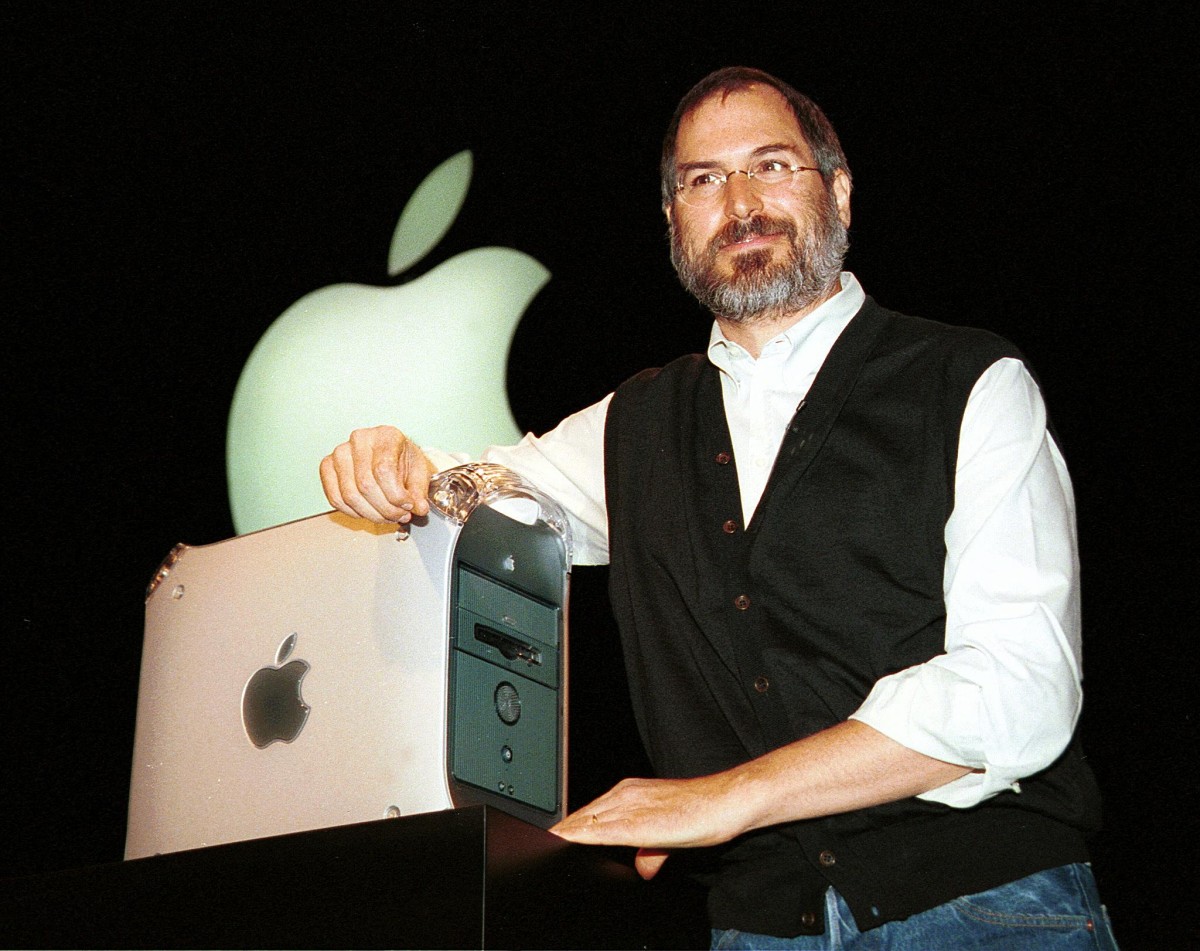
Apple celebrates its 50th anniversary as artificial intelligence challenges the Silicon Valley
legend to prove it can deliver yet another culture-changing innovation.
Steve Jobs, a driven marketing genius, and Steve Wozniak, who invented the Apple computer,
revolutionized how people use technology in the internet age and built a company now
worth more than $3.6 trillion.
The two college dropouts changed the way people use computers, listen to music and
communicate on the go, giving rise to lifestyles revolving around smartphone apps.
Apple’s hit products — the Mac, the iPhone, the Apple Watch and the iPad — command a cult
like following, long after the company’s humble beginnings on April 1, 1976 in Jobs’
Cupertino, California garage.
Apple has sold more than 3.1 billion iPhones since the handsets debuted in 2007, generating
about $2.3 trillion in revenue, according to Counterpoint Research.
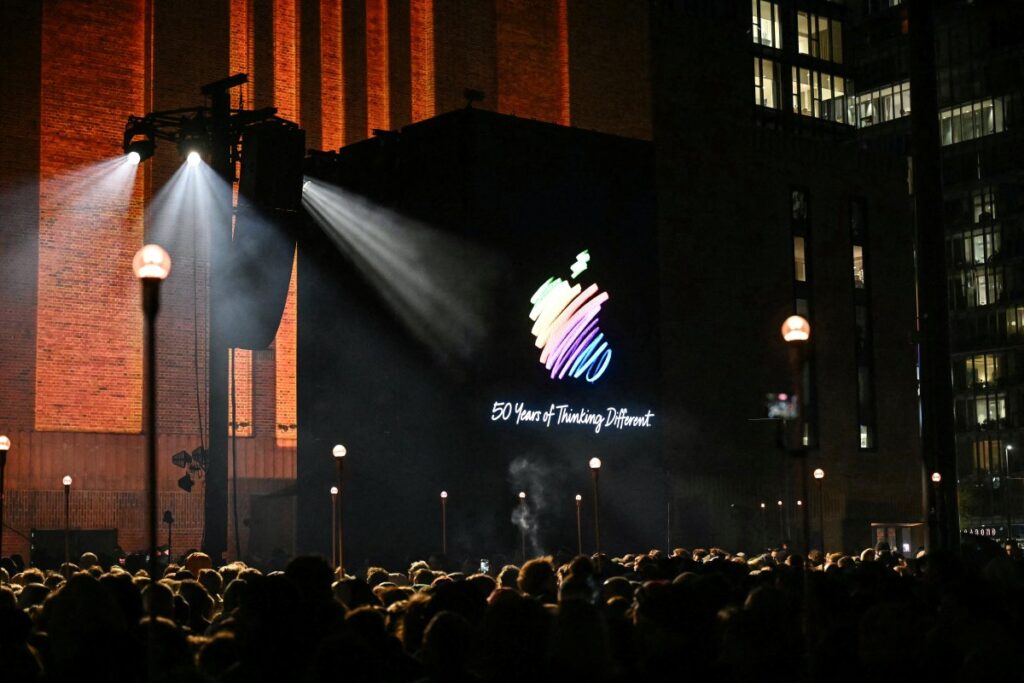
For Counterpoint analyst Yang Wang, the iPhone is the most successful consumer electronics
product ever, reshaping human communication while becoming “a global fashion and status
symbol.”
Before the iPhone, Apple shook up home computing with the 1984 Macintosh, whose icon
based interface and mouse made computing accessible beyond specialists — and sparked a
legendary rivalry between Jobs and Microsoft’s Bill Gates.
“Apple was founded on the simple notion that technology should be personal, and that belief — radical at the time — changed everything,” chief executive Tim Cook said in an anniversary
letter posted online.
Apple transformed the music market with the iPod and iTunes, made the smartphone a mass
market staple with the iPhone, and took tablets mainstream with the iPad.
The Apple Watch quickly seized the lead in the smartwatch market, despite debuting later
than its rivals.
While not an inventor, Jobs — who died in 2011 at age 56 — was renowned for his
uncompromising drive to marry technology with design to create products that were intuitive
and hassle-free.
Apple marketed the Macintosh as the “computer for the rest of us,” but it was the iPhone that
fulfilled that promise, said David Pogue, author of the recently released “Apple: The First 50
Years.”
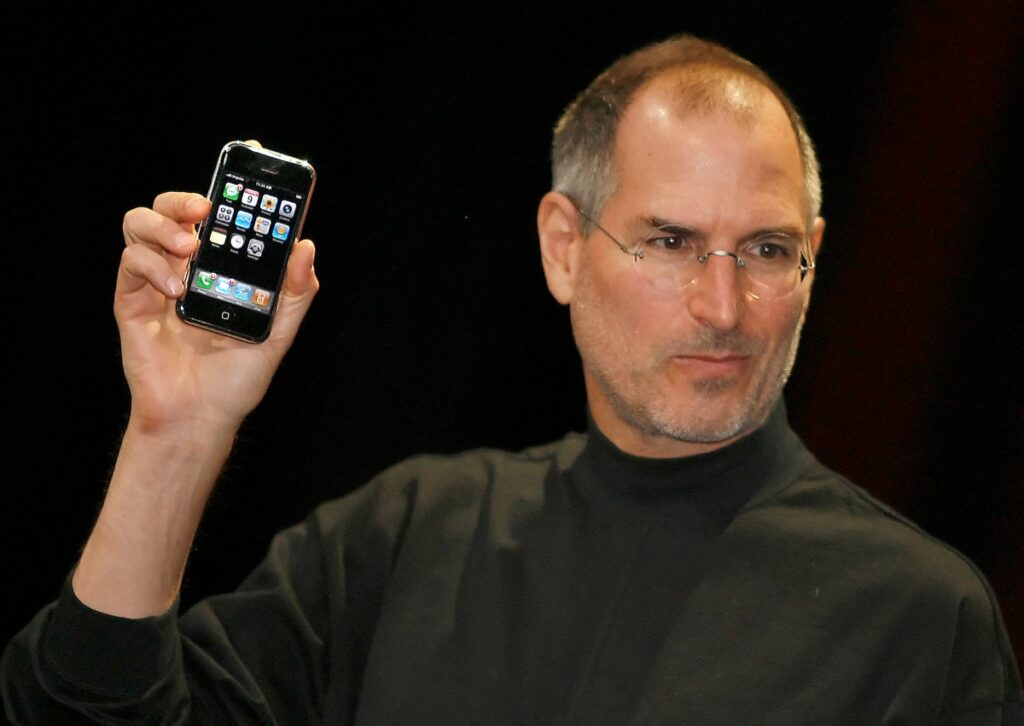
The iPhone’s dominance reshaped Apple’s business model. With the premium smartphone
market widely seen as saturated, Cook has increasingly turned to selling digital content and
services to the company’s vast existing base of users.
Central to that strategy is the App Store, which Apple made the sole gateway to software on
its devices, taking a cut of transactions — and thereby drawing accusations of monopoly
abuse, regulatory scrutiny in Europe and court orders in the United States to open up its
platform.